
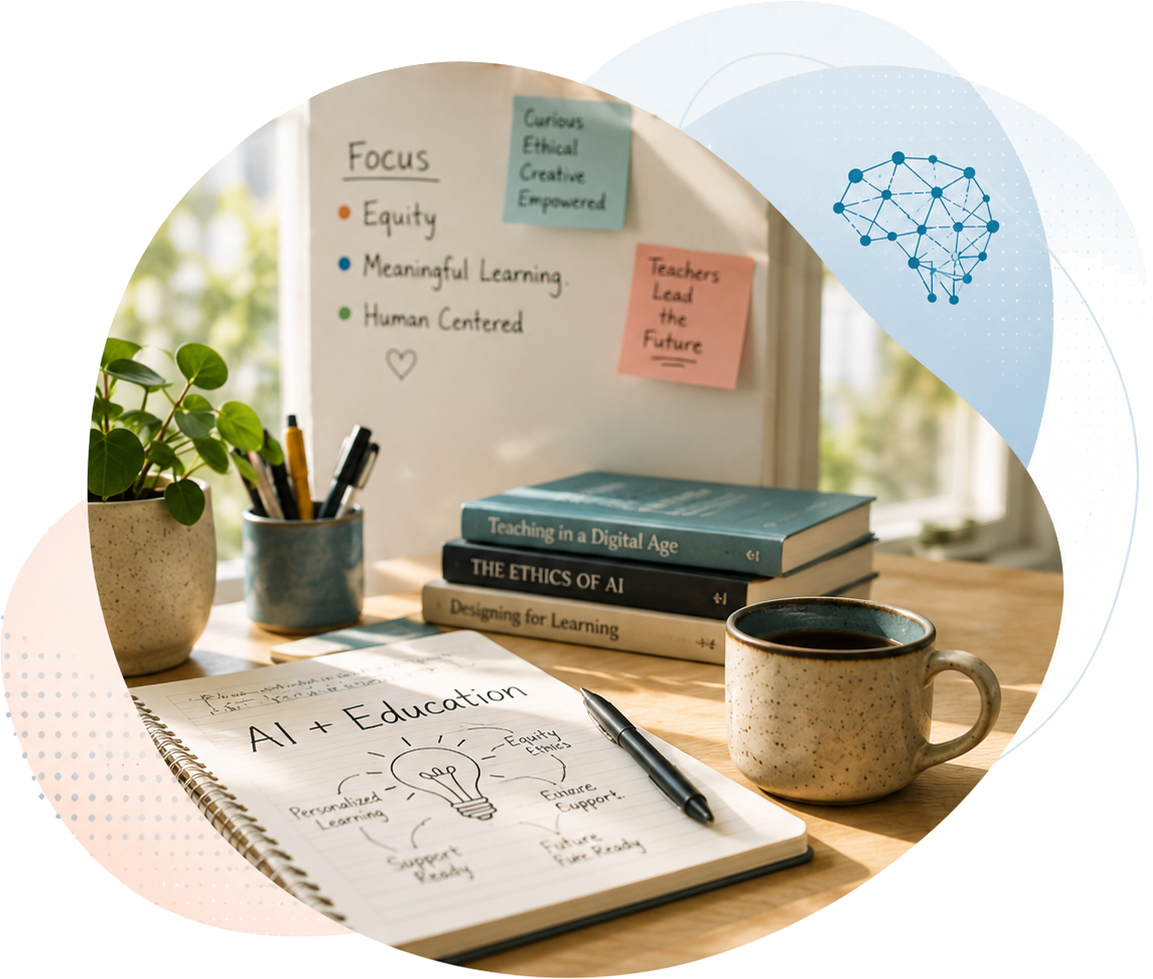





Co-Designing AI in Education
A collaborative handbook that helps labor-management teams develop AI guidance rooted in shared decision-making, human-centered design, equity, and responsible implementation. Through structured discussion prompts and practical frameworks, it supports districts in creating AI policies that reflect the unique needs and values of their communities.
All AI in Education Resources
| Thumbnail | |||
|---|---|---|---|
 AI Ethics and Policy Recommendations Notebook LM (opens in new tab)
|
AI Ethics and Policy Recommendations Notebook LM
(opens in new tab)
A curated exploration of AI ethics, governance, and policy recommendations designed to help educators and institutions navigate responsible AI implementation. |
Ethics | April 2026 |
 AI Legislation Notebook LM (opens in new tab)
|
AI Legislation Notebook LM
(opens in new tab)
An interactive resource exploring emerging AI-related legislation, policy discussions, and educational implications through curated materials and synthesized insights. |
Policy | March 2026 |
 AI for Access: Practical Tools to Save Time and Improve Learning (opens in new tab)
|
AI for Access: Practical Tools to Save Time and Improve Learning
(opens in new tab)
Explore how AI can improve visual presentations that support accessibility while saving educators time. |
Resource | February 2026 |
 AI for Outreach: Using AI Tools To Design Resources For Families (opens in new tab)
|
AI for Outreach: Using AI Tools To Design Resources For Families
(opens in new tab)
We'll explore how to use AI to create resources for parent and community outreach. Walk away with example resources that highlight how families can use AI at home to support learning, including a parent guide, an infographic, presentation slides, a video, and a podcast. We will demonstrate how we used various AI tools to streamline workflow to create these robust resources. |
Resource | February 2026 |
 AI in Educator Preparation Programs CoP Session 1 Slide Deck (opens in new tab)
|
AI in Educator Preparation Programs CoP Session 1 Slide Deck
(opens in new tab)
The slide deck from the inaugural community of practice (CoP) focused on integrating AI into educator preparation programs. It highlights key challenges, promising practices, and early applications from participating institutions, alongside the introduction of a new AI in Educator Preparation Framework. The accompanying slide deck includes practical tools, examples, and strategies to support thoughtful, ethical, and program-wide AI integration. |
Resource | March 2026 |
 AI in Educator Preparation Programs CoP Session 2 Slide Deck (opens in new tab)
|
AI in Educator Preparation Programs CoP Session 2 Slide Deck
(opens in new tab)
This session highlights practical approaches to building teacher candidates’ AI literacy, including the use of AI Literacy Tags to make AI use visible, reflective, and intentional. Participants engaged with Depth of Knowledge (DOK) as a tool for designing learning experiences that move candidates from basic understanding of AI to critical analysis and application in teaching contexts. The accompanying resources offer concrete strategies for embedding AI literacy across educator preparation in ways that are ethical, transparent, and instructionally meaningful. |
Resource | March 2026 |
 AI in Educator Preparation Resources (opens in new tab)
|
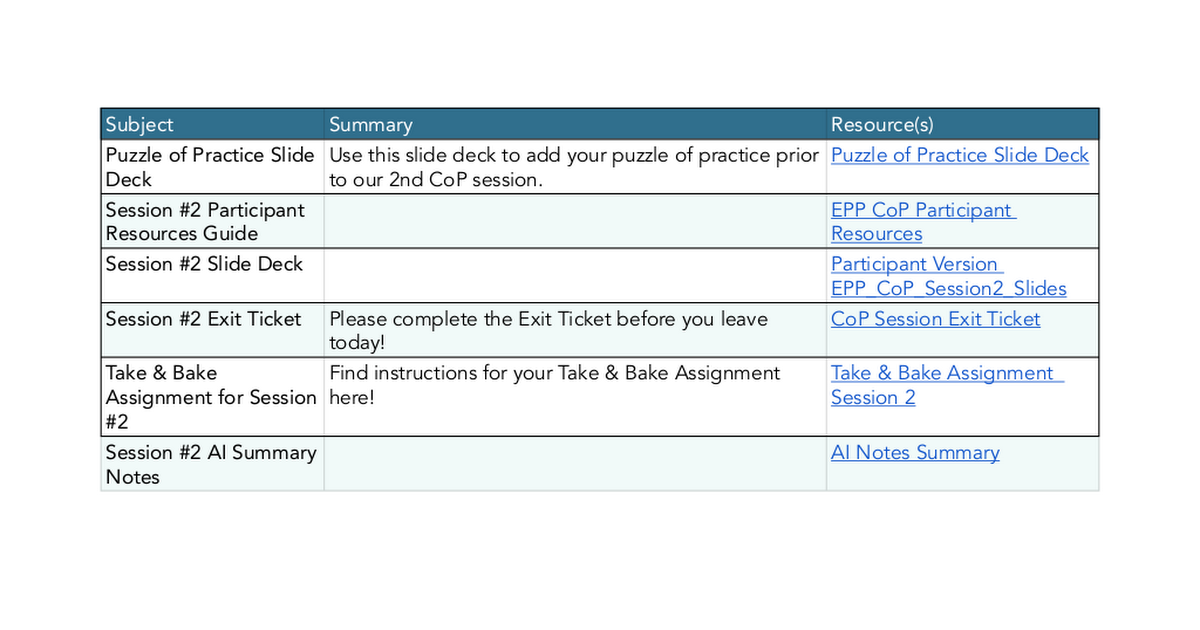
AI in Educator Preparation Resources
(opens in new tab)
A curated hub of research, frameworks, tools, and policy resources exploring the evolving role of artificial intelligence in educator preparation and professional learning. |
Resource | March 2026 |
 AI: The Good, The Bad, and The Ugly (opens in new tab)
|
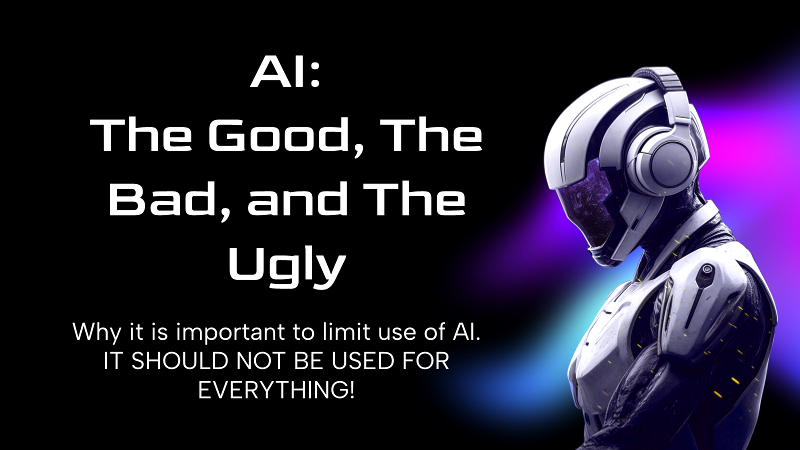
AI: The Good, The Bad, and The Ugly
(opens in new tab)
This presentation focuses on appropriate, ethical, environmentally responsible use of AI. |
Resource | February 2026 |
 Basic Intro to Notebook LM for Teachers - Interactive Session (opens in new tab)
|
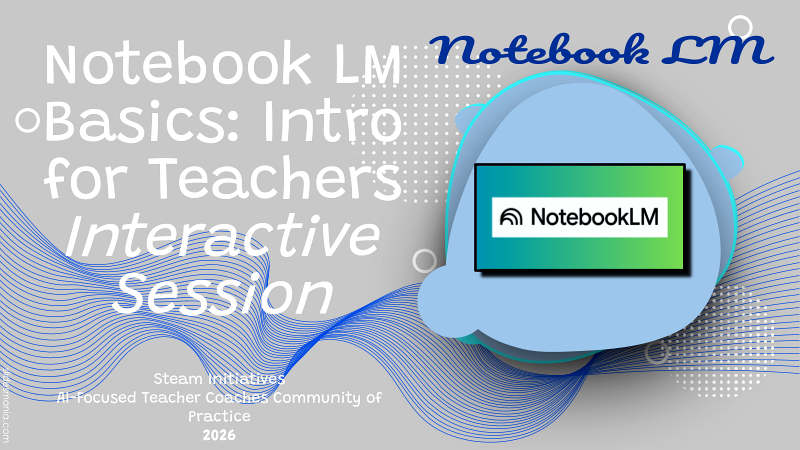
Basic Intro to Notebook LM for Teachers - Interactive Session
(opens in new tab)
In this interactive session, we navigate Notebook LM and the basics on how teachers can utilize this G-suite platform and create audio & video overviews, reports, flashcards, inforgraphics, slide decks & more! |
Resource | February 2026 |
 Canva AI Tools for Education (opens in new tab)
|
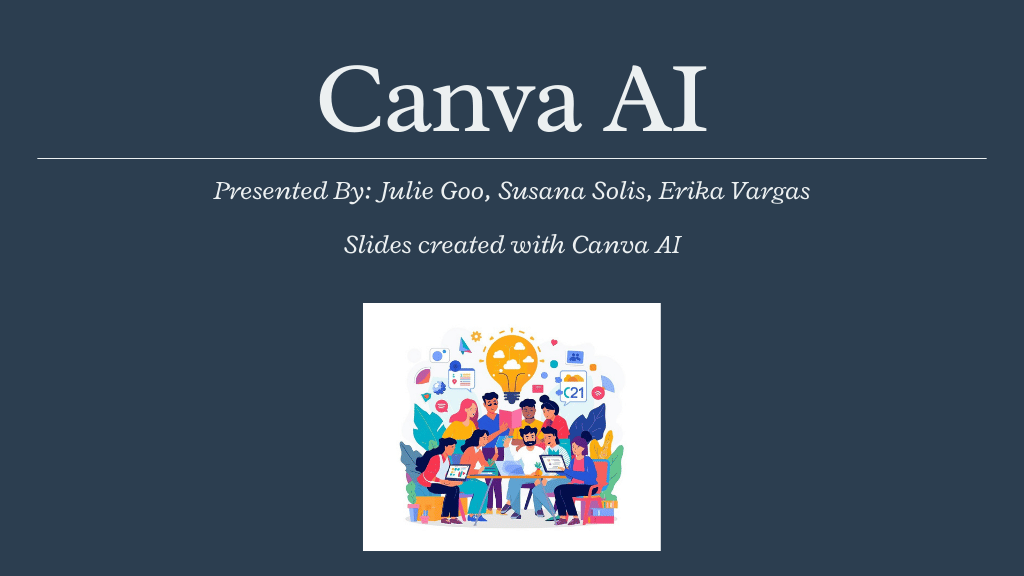
Canva AI Tools for Education
(opens in new tab)
We focus on how Canva AI is a powerful tool for teachers to enhance their design skills effortlessly. It offers user-friendly AI features that help educators create stunning presentations, regardless of their experience level, making teaching materials visually captivating. |
Resource | February 2026 |
 Educator Preparation AI Confidence Scale (EPAIC) (opens in new tab)
|
Educator Preparation AI Confidence Scale (EPAIC)
(opens in new tab)
A research-informed framework designed to help educator preparation programs better understand confidence, readiness, and perceptions surrounding AI integration in teaching and learning. |
Framework | April 2026 |
 Exploring Using AI as a Strategic Thinking Partner (opens in new tab)
|
Exploring Using AI as a Strategic Thinking Partner
(opens in new tab)
This presentation explores how teachers can use AI as a strategic thinking partner to streamline planning and saving time. Participants learn ways to integrate AI to save time and are introduced to at least four sites with the chance to explore a variety of sites. |
Resource | February 2026 |
 Gemini Gems: Your Specialized Assistant (opens in new tab)
|
Gemini Gems: Your Specialized Assistant
(opens in new tab)
Tired of starting from scratch with every AI prompt? This presentation explores the what, why, and how of Gemini Gems, and your customized assistants you create once to handle recurring tasks. You'll see examples of how to use Gems and begin to build your own! |
Resource | February 2026 |
 Getting Started With Guidelines (opens in new tab)
|
Getting Started With Guidelines
(opens in new tab)
An introductory resource designed to help educators and institutions begin exploring educational guidelines, implementation considerations, and practical next steps for instructional planning. |
Guide | February 2026 |
 Key Insights from our AI and Performance Assessments Forum (opens in new tab)
|
Key Insights from our AI and Performance Assessments Forum
(opens in new tab)
The Residency Lab of the CDE Foundation and the Commission on Teacher Credentialing convened a cross-sector forum to explore how artificial intelligence is reshaping teacher and administrator performance assessments. Participants identified that AI is already influencing how candidates complete assessments—especially written components—raising concerns about validity, inconsistent guidance, and whether current systems capture authentic evidence of educator readiness. At the same time, the group emphasized that AI should be integrated as a professional tool, not treated solely as a threat, and highlighted the importance of centering human elements like instructional decision-making and reflective practice. The conversation is now informing future efforts to build AI literacy, develop guidance for responsible AI use, and reimagine assessment systems to better reflect teaching in an AI-enabled profession. |
Resource | March 2026 |
 Moving “Brisk”ly To Foster Belonging, Curiosity, and Growth (opens in new tab)
|
Moving “Brisk”ly To Foster Belonging, Curiosity, and Growth
(opens in new tab)
Discover how Brisk, an AI-powered Chrome extension, helps educators save hours each week while enhancing instruction and student engagement. This session explores how Brisk streamlines lesson planning, grading, and differentiation. Participants experience real examples of how Brisk supports multilingual learners, fosters academic integrity, and personalizes feedback. Learn practical strategies for using AI responsibly to cultivate belonging, curiosity, and growth in every classroom. |
Resource | February 2026 |
 Notebook LM Across Educational Roles (District level, Admin, Teacher, Student) (opens in new tab)
|
Notebook LM Across Educational Roles (District level, Admin, Teacher, Student)
(opens in new tab)
This session explores how NotebookLM, Google’s personalized AI research and writing assistant, can be leveraged across four essential educational roles: students, teachers, site administrators, and district-level positions. Participants discover practical applications for differentiated learning, streamlined lesson planning, and administrative efficiency while engaging in a collaborative "jigsaw" activity to share successes and challenges. This session is a launching point for the endlessly creative ways NotebookLM can address problems of practice, improving outcomes for staff, students, and families in your organization. |
Resource | February 2026 |
 Notebook LM: Leveraging Notebook LM and Gamma AI for your role (opens in new tab)
|
Notebook LM: Leveraging Notebook LM and Gamma AI for your role
(opens in new tab)
Discover how Notebook LM and Gamma AI can become your behind-the-scenes assistants in education. This session explores practical, real-world ways educators can use Notebook LM to analyze texts, design engaging station rotations, and generate clear reports for district leaders, then leverage Gamma to transform that content into polished presentations, family-friendly handouts, and ready-to-use resources. |
Resource | February 2026 |
 Teaching Machines to Think: How AI Learns from Us (opens in new tab)
|
Teaching Machines to Think: How AI Learns from Us
(opens in new tab)
This session explores how artificial intelligence learns and makes decisions, highlighting how human choices influence those outcomes. Participants begin with a hands-on classification activity using familiar items like soup, salad, and sandwiches to make patterns and decision-making visible. They also practice interactive activities from Code.org and Teachable Machine to experience firsthand how machines learn from data. |
Resource | February 2026 |
 Tech Around & Find Out: 15 Ideas in 15 Minutes (opens in new tab)
|
Tech Around & Find Out: 15 Ideas in 15 Minutes
(opens in new tab)
Explore “15 Practical Ways Educators Can Use AI Today,” which are tailored for teachers and site leaders across all grade spans. The format is intentionally application-focused: each presenter delivers immediately usable strategies to use across elementary, secondary, and alternative settings. Rather than centering theory, the session emphasizes classroom-ready applications—such as AI for rehearsal and feedback, lesson differentiation, formative assessment generation, multilingual learner support, and administrative efficiency—ensuring participants leave with tools they can deploy the next day. |
Resource | February 2026 |
 Zero To AI-Hero: Your AI Starter Guide (opens in new tab)
|
Zero To AI-Hero: Your AI Starter Guide
(opens in new tab)
Ready to reclaim your evenings? This practical session cuts through the AI hype and shows you how to automate late-night lesson planning, personalize learning without cloning yourself, and focus on what matters: connecting with students. Whether you're AI-curious or AI-skeptical, you'll leave with ready-to-use strategies that save hours each week. No cape required, but you might feel like a superhero anyway. |
Resource | February 2026 |
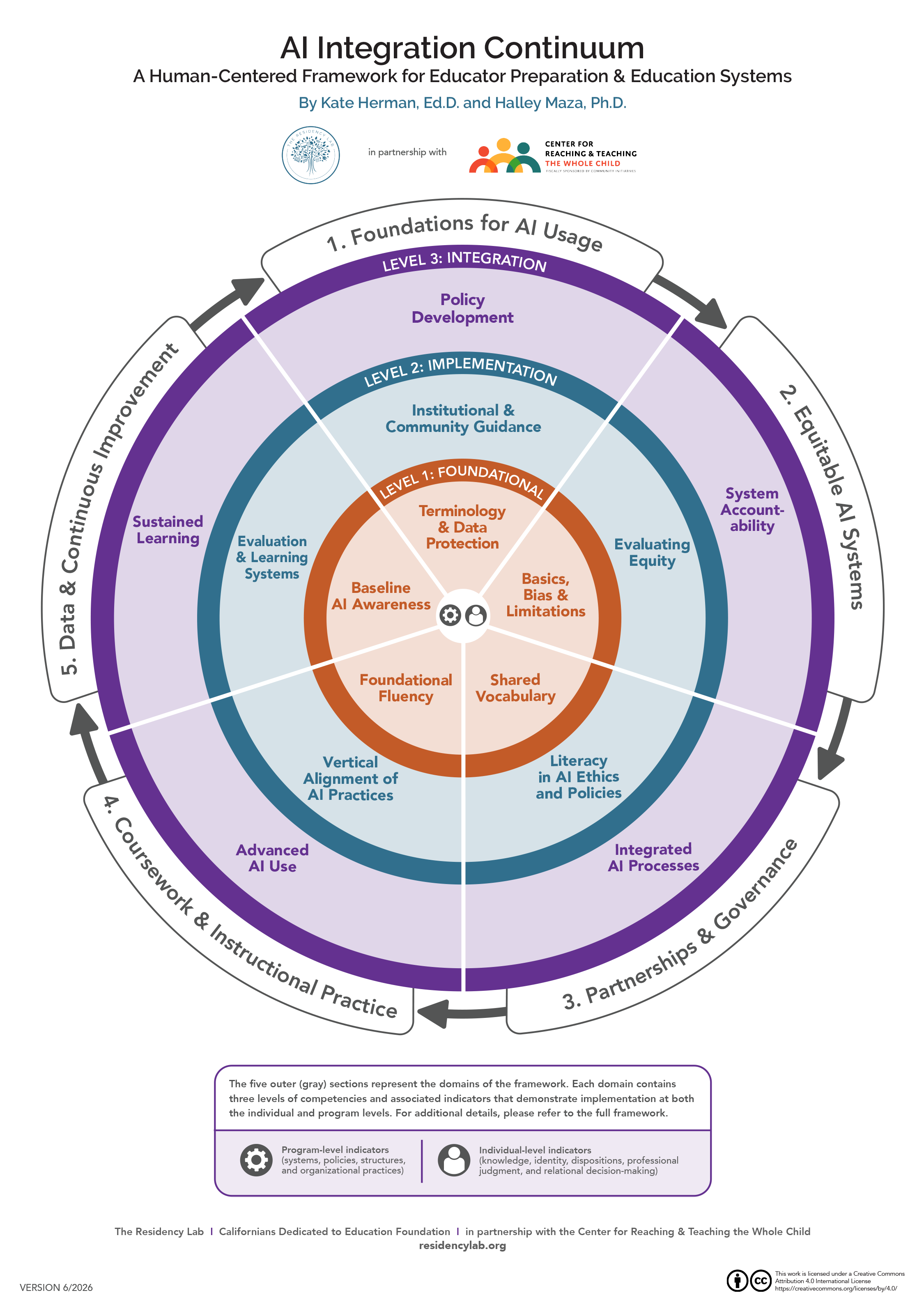
 AI Integration Continuum (opens in new tab)
|
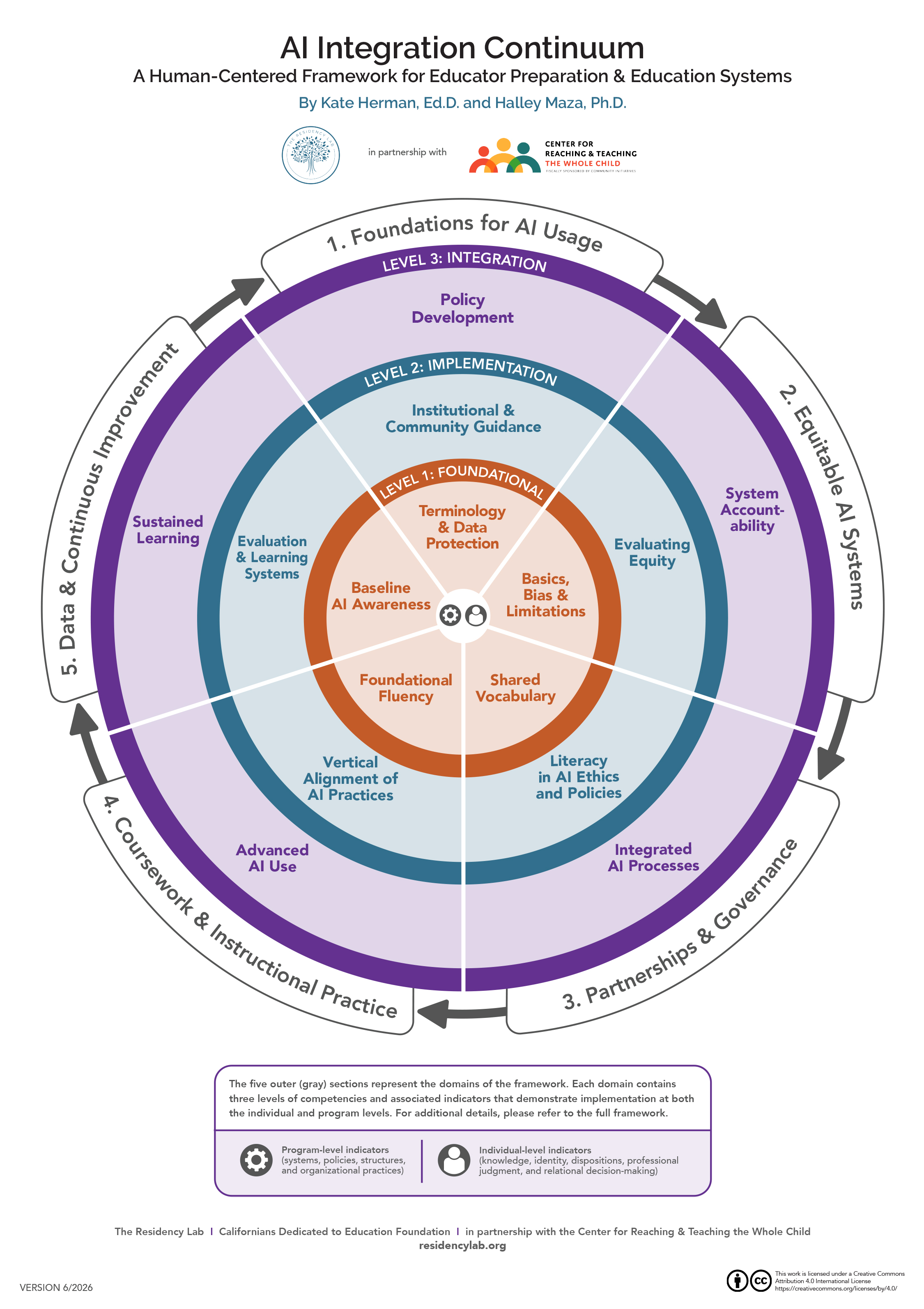
AI Integration Continuum
(opens in new tab)
This AI Integration Continuum framework is intended to support education systems in integrating artificial intelligence (AI) in ways that are ethical and grounded in professional judgment. As AI becomes increasingly present in teaching and learning, programs need clear guidance not just on what tools to use, but on how educators think, decide, and act in relation to AI. This framework is designed for educator preparation leaders, faculty, mentors, district and school partners, induction leaders, labor-management partners, and community stakeholders working to support equitable and human-centered AI integration across education systems. While initially developed in educator preparation contexts, the framework is intended to support cross-system alignment between preparation, clinical practice, induction, district implementation, governance, and community engagement. |
Resource | June 2026 |
 Co-Designing AI in Education (opens in new tab)
|
Co-Designing AI in Education
(opens in new tab)
A collaborative handbook that helps labor-management teams develop AI guidance rooted in shared decision-making, human-centered design, equity, and responsible implementation. Through structured discussion prompts and practical frameworks, it supports districts in creating AI policies that reflect the unique needs and values of their communities. |
Resource | July 2026 |